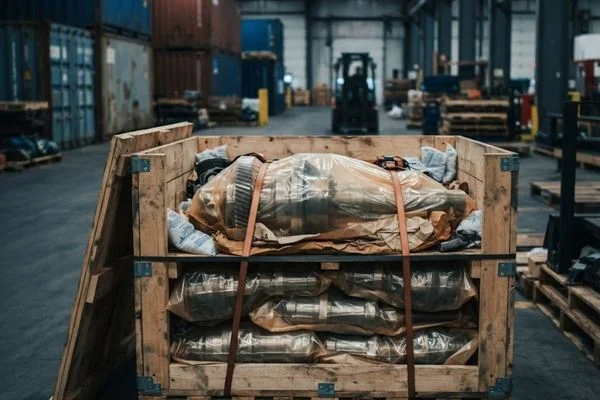
Protective Packaging Against Corrosion, Moisture, and Surface Damage
Structural packaging keeps a product from moving or breaking. Protective packaging keeps it from corroding, absorbing moisture, or picking up surface damage along the way — a separate problem that needs its own materials. Green Packs designs protective packaging around the specific exposure risk your product faces, not a one-size wrap.
A corrugated box or wooden pallet can hold a product securely in place and still let it arrive corroded, damp, or scratched. Metal components are especially vulnerable to atmospheric corrosion during storage and transit, particularly across humid routes or long export journeys. Protective packaging addresses this layer separately, working alongside structural packaging rather than replacing it.
The right protective materials help reduce exposure to humidity, dust, contamination, abrasion, and surface damage, helping products maintain their condition from production and storage through handling, transportation, and final delivery.
Protective Packaging We Manufacture
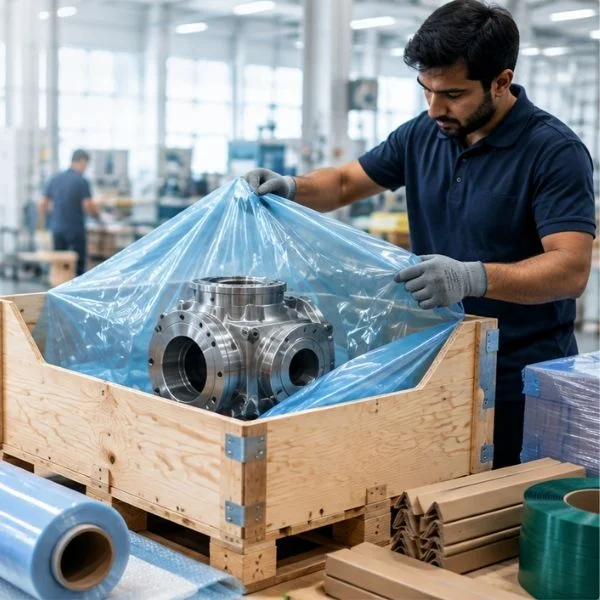
VCI Corrosion Protection
Protects metal components from rust and oxidation during storage, handling, and humid transportation conditions.
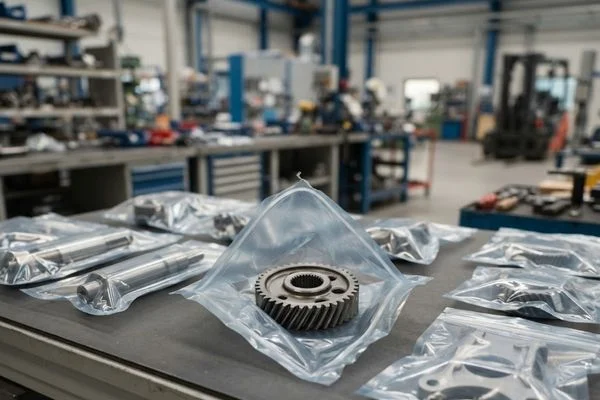
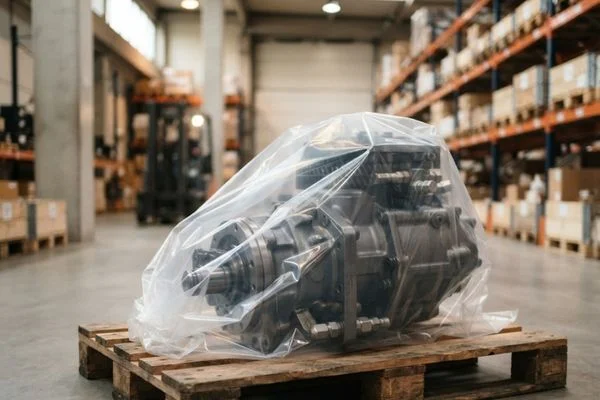
Industrial Polybag Protection
Provides a clean barrier against dust, moisture, dirt, and contamination during storage and transportation.
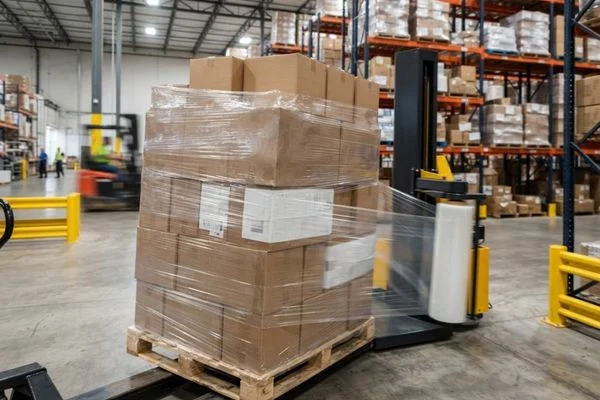
Stretch Film Stabilisation
Stabilises packaged loads while helping protect products and surfaces from dust, abrasion, and handling damage.
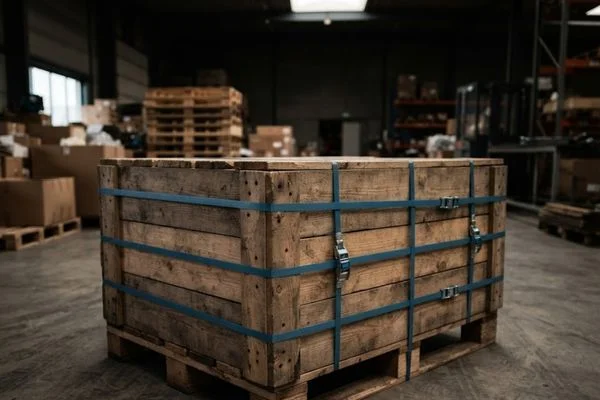
Secure Load Strapping
Secures heavy packaged loads and reduces product movement, shifting, and instability throughout transportation and handling.
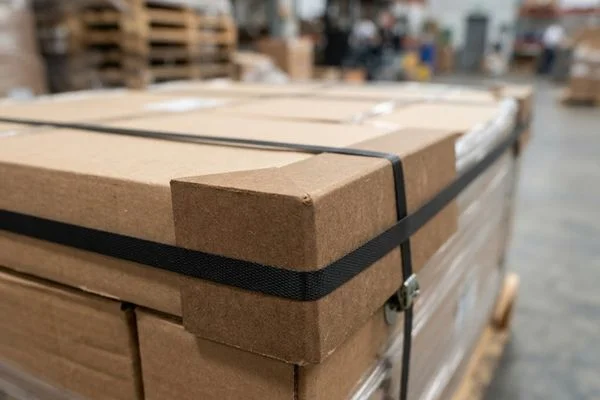
Edge Protection Boards
Protects package corners and edges by distributing strapping pressure across the load during transit.
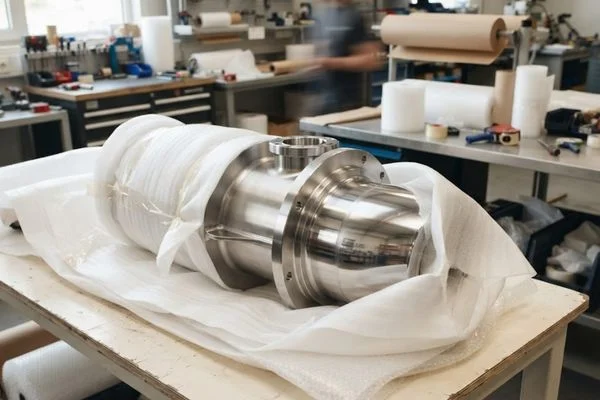
Surface Protection Wrapping
Shields finished and sensitive components from scratches, abrasion, dust, and surface damage during handling.
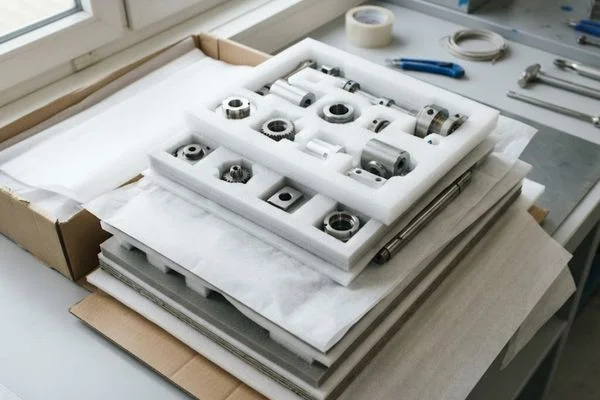
Scratch Prevention Materials
Adds an additional protective layer between sensitive surfaces and surrounding packaging materials to prevent scratches and contamination.
Long Transit Corrosion Protection
Protects corrosion-sensitive metal parts from humidity and atmospheric exposure during extended storage and transportation.
Where Protective Packaging Fits Best
Automotive & Auto Components
Protects machined and metal automotive components from corrosion, scratches, moisture, and contamination during handling and transportation.
Electrical & Industrial Equipment
Shields sensitive electrical and industrial components from moisture, dust, contamination, and handling-related surface damage during transit.
Export Manufacturing
Provides reliable protection for products facing extended transit, multiple handling points, humidity, and demanding international shipping conditions.
How VCI Protection Works
Vapor Corrosion Inhibitor (VCI) materials release a protective vapor inside a sealed packaging environment, forming a thin molecular layer on metal surfaces that inhibits rust and oxidation. This is especially relevant for metal automotive parts, machined components, and electrical equipment that would otherwise corrode during storage or humid transit conditions, without needing oils or coatings that require removal before use.
VCI (Vapor Corrosion Inhibitor) packaging protects metal components from rust and oxidation during storage and transit by releasing a protective vapor inside sealed packaging, without requiring oils or coatings.
Yes — protective materials are typically used as an inner layer within a corrugated box, wooden crate, or complete packaging assembly, rather than as a standalone solution.
It depends on the product and route. Humidity-sensitive or corrosion-prone components often need protection even for short transit, while some products only require it for longer or export shipments.