Packaging failure is rarely a material problem — it’s usually a process problem. A box or pallet chosen without understanding the product’s weight, handling conditions, or transit route is a guess, not a design. Every Green Packs solution follows the same seven-step process, whether it’s a single corrugated fitment or a complete multi-material assembly.
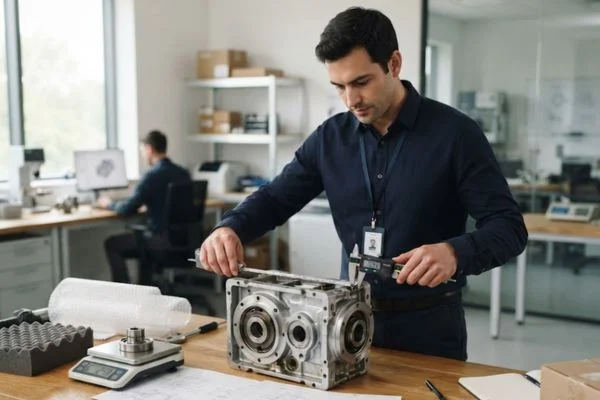
We start with the product itself — its dimensions, weight, fragility, and how it will be handled from the production line to its final destination. This also covers the broader supply chain: how many times the product will be handled, by whom, and under what conditions. Nothing about the packaging is decided at this stage; the goal is a complete picture of the product and its journey.
Analyse
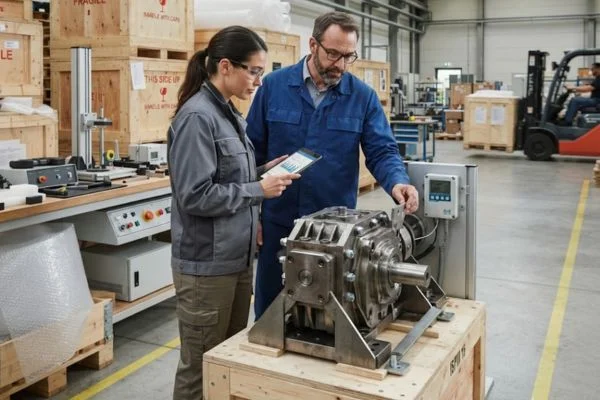
With the product understood, we assess the risks it will face in transit — drop and impact risk, stacking loads, storage duration, humidity and temperature exposure, and how many handling points the shipment will pass through. This stage turns raw product information into a specific list of protection requirements the packaging will need to meet.
Engineer
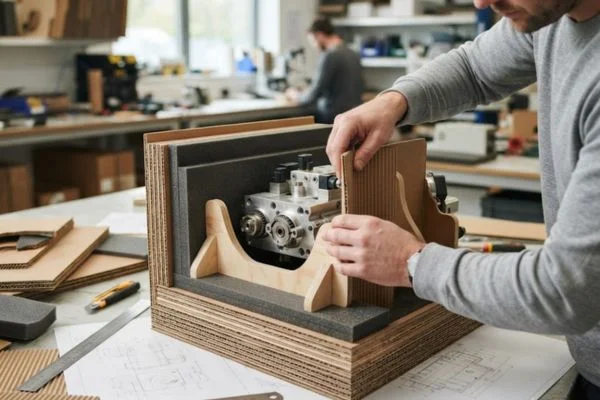
This is where the packaging structure takes shape — material selection, ply or pallet type, internal fitments, and protective layers are decided based on the findings from the first two steps, not a standard template. The result is a structural design that addresses the specific risks identified during Analyse, rather than a generic specification.
Prototype
Before committing to production quantities, a prototype is developed so the design can be physically reviewed and adjusted if needed. This catches fit, handling, or assembly issues while changes are still inexpensive to make.
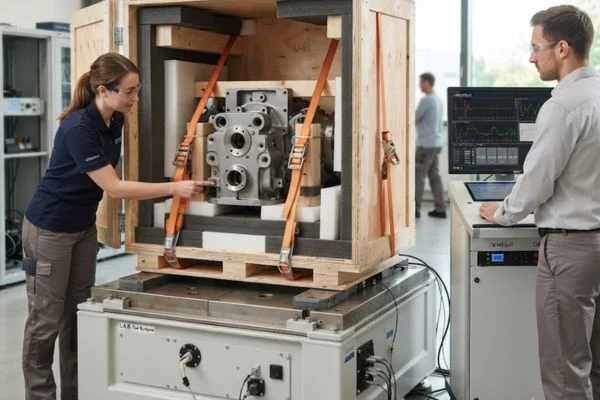
Validate
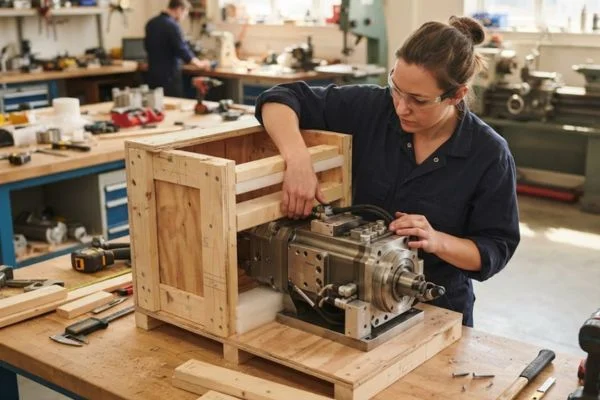
The prototype is tested against real handling conditions — stacking, movement, and where relevant, the environmental exposure identified during the Analyse stage — before the design is finalised. Only a validated design moves forward to production.
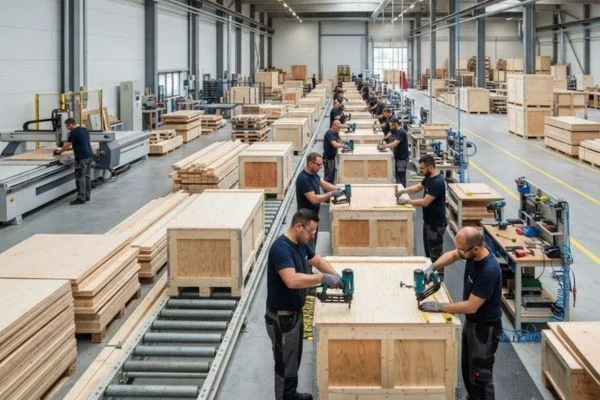
Manufacture
Once validated, the design moves into production with consistency controls to keep every unit within the same specification, so the tenth unit off the line performs the same as the first.
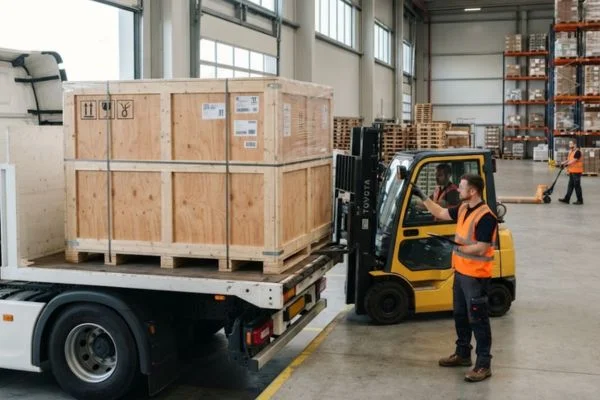
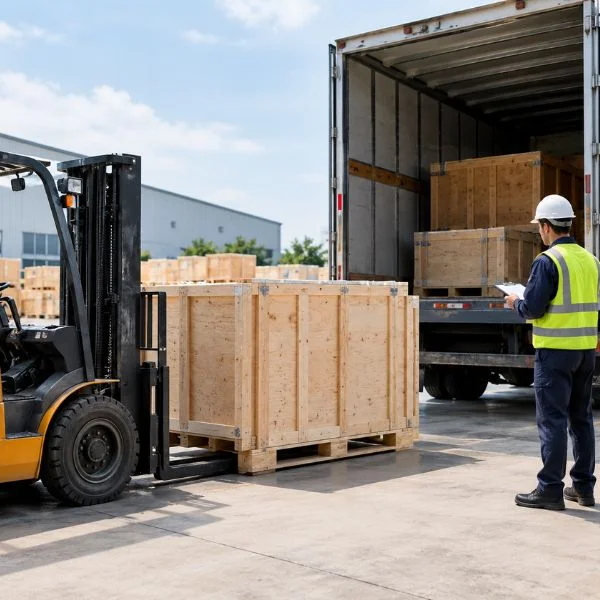
Quality Check & Deliver
Each production batch is reviewed to ensure the packaging meets the approved design, specification, and quality requirements before dispatch. Once approved, completed packaging is dispatched on a coordinated timeline, ready for use at your line or for onward shipment.
What We Study Before Designing Your Packaging
Product dimensions and weight
Fragility and sensitivity to shock or vibration
Stacking height and load-bearing requirements
Transportation mode and distance
Environmental exposure — humidity, temperature, and storage duration
Why This Process Matters
Skipping straight to a material choice tends to produce one of two outcomes: over-packaging, which adds unnecessary cost and material, or under-packaging, which risks transit damage and rework. Following the same structured process on every project keeps both risks in check, regardless of the industry or product involved.
Where This Process Applies
Automotive & Auto Components
Precision protection for critical and high-value components.
Renewable Energy & Solar
Protecting solar panels and renewable energy components during handling, storage, and transit.
Export Manufacturing
Built for long transit times and challenging routes.
Custom Industrial Applications
Tailored solutions for unique and complex products.
Yes — the depth of each step scales with the complexity of the product, but the same Understand-to-Deliver sequence applies whether it’s a single packaging component or a complete assembly.
The same process still applies, though compressed timelines may limit how much prototyping and validation can happen before production. It’s best to share urgency and constraints upfront.
Yes — the engineered structure and specifications are documented as part of the Validate and Manufacture stages, so the design is repeatable across production runs.